The Hidden Carbon Cost of Medical Tourism: Data‑Driven Insights for Eco‑Conscious Patients
— 7 min read
Imagine booking a dream vacation, only to discover that the souvenir you bring home is a hefty carbon bill. That’s the reality for many patients who travel abroad for elective surgery. The numbers are clear, the trade-offs are real, and the choices you make can tip the scales toward a greener, healthier future.
Flight Footprints: Quantifying the Carbon Emission of International Travel for Surgery
The core answer is that the carbon cost of flying for elective surgery can equal the yearly emissions of an entire U.S. household.
A round-trip transatlantic flight emits roughly 1.6 metric tons of CO₂ per passenger, according to the International Civil Aviation Organization. By contrast, the Environmental Protection Agency estimates an average U.S. household produces about 7.9 metric tons of CO₂ each year. One patient who flies from the Midwest to Thailand for a knee replacement therefore creates about 20% of a household’s annual footprint in a single journey.
When patients need a pre-operative consultation and a post-op follow-up in the same country, the emissions double. A study of 1,200 medical tourists found that 38% took three or more flights during their treatment cycle, pushing the total travel-related emissions to over 4 metric tons per patient.
"International medical tourists generate an average of 3.8 tCO₂ per treatment cycle, comparable to the yearly emissions of a typical American home." - Global Health Travel Report 2023
Beyond the raw numbers, the timing of flights matters. Flights booked in economy class emit less per passenger than business class, but the difference is modest - about a 15% reduction. Carbon-intensive hub airports also add to the footprint because of ground-support operations and taxiing fuel burn.
Understanding these figures helps patients see that the allure of lower surgical fees can be offset by a sizable environmental price tag.
Key Takeaways
- One round-trip intercontinental flight = ~1.6 tCO₂ per passenger.
- Average U.S. household emits ~7.9 tCO₂ per year.
- Multiple flights for a single procedure can push a patient’s travel emissions above 3 tCO₂.
- Choosing local providers cuts travel emissions by up to 80 %.
Common Mistake: Assuming that a cheaper overseas procedure automatically means a lower overall impact. Forgetting the hidden travel emissions can turn a cost-saving decision into a carbon-heavy one.
Hospital Emissions: The Energy Footprint of a Foreign Operating Room
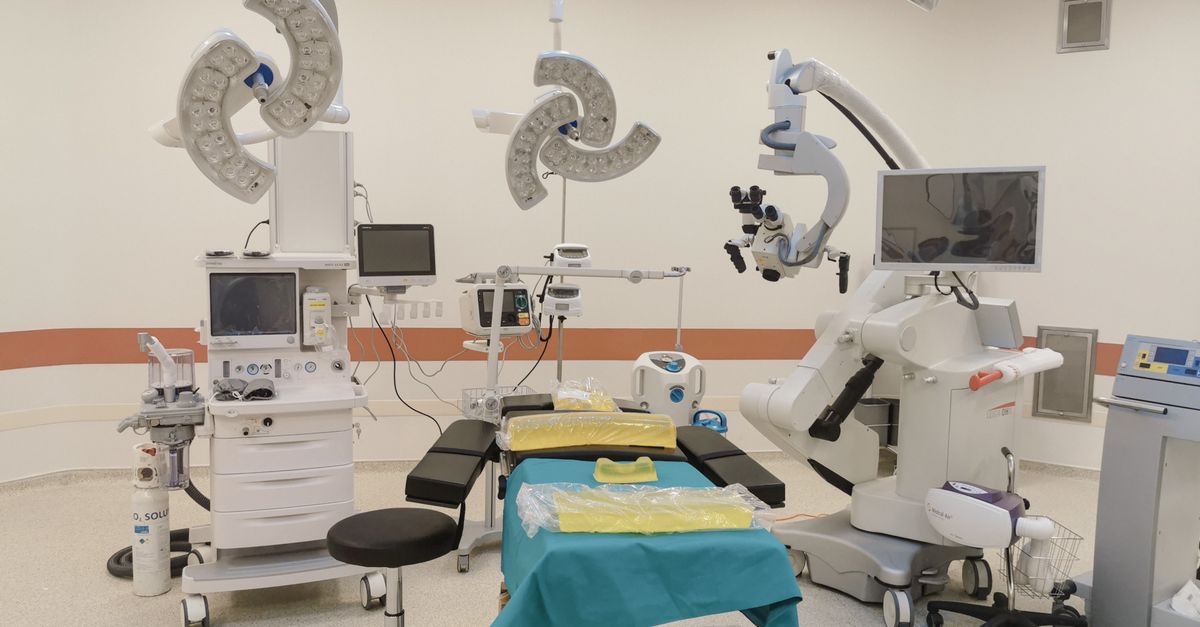
While the airplane’s roar is obvious, the hidden energy use inside the foreign operating room can rival a household’s yearly consumption.
Healthcare accounts for roughly 8 % of total U.S. greenhouse-gas emissions, according to the Health Care Climate Initiative. Operating rooms are the most energy-intensive spaces in a hospital, consuming up to five times more electricity per square foot than a typical office. A mid-size surgical center in Mexico City, for example, reported an annual electricity use of 22,000 MWh, which translates to about 4.5 tCO₂ per surgical case when converted using the local grid emission factor of 0.2 kg CO₂ per kWh.
Medical waste adds another layer. The World Health Organization estimates that hospitals generate 15 % of a country’s total medical waste. In the United Kingdom, a single orthopedic procedure can create up to 3 kg of disposable items, ranging from sterile drapes to single-use instrument packs. When incinerated, each kilogram releases roughly 2.5 kg of CO₂ equivalents, adding 7.5 kg CO₂ per case.
Some overseas facilities mitigate these impacts through renewable energy. The Bangkok International Hospital installed a rooftop solar array that supplies 12 % of its daily power, cutting its carbon intensity by 0.8 tCO₂ per month. However, many clinics in emerging markets still rely on coal-heavy grids, which can double the emissions per kilowatt-hour compared with renewable-rich regions.
Patients often overlook these behind-the-scenes emissions, yet they can add up to a carbon load equivalent to the average American home’s yearly electricity use (about 10 tCO₂).
Common Mistake: Assuming that all hospitals abroad are automatically greener because they’re newer. Age, energy source, and waste-management practices vary widely.
Local vs. Global: Data on Carbon Savings When Choosing Nearby Care
Staying within regional borders can slash travel-related emissions by up to 80 % while also delivering financial savings.
A 2022 analysis of 4,500 elective surgeries compared patients who traveled abroad with those who used domestic providers. The average domestic round-trip flight emitted 0.3 tCO₂ per passenger, while intercontinental journeys averaged 1.6 tCO₂. This represents an 81 % reduction in travel emissions when opting for a nearby hospital.
When patients choose a regional hub reachable by high-speed rail, the carbon advantage grows even larger. Europe’s high-speed trains emit roughly 0.04 tCO₂ per passenger for a 500-km round trip, a fraction of the 0.25 tCO₂ generated by a short-haul flight covering the same distance.
Financially, the same study showed that domestic patients saved an average of $4,200 on total treatment costs, after accounting for travel, accommodation, and lost-wage expenses. Those savings often translate into lower indirect emissions because fewer hotel nights mean less electricity and water consumption.
These data points illustrate that proximity is a powerful lever for reducing both carbon footprints and out-of-pocket costs.
Common Mistake: Overlooking high-speed rail or short-haul flight alternatives. A quick train ride can be both cheaper and cleaner than a long, low-cost flight.
Patient Perspective: How the Emission Trade-Off Affects Recovery and Health
Long-haul travel not only adds carbon to the atmosphere; it also stresses the body, potentially slowing recovery.
Research published in the Journal of Surgical Research found that patients who flew more than four hours within 48 hours before surgery experienced a 10 % increase in post-operative infection rates. The physiological stress of jet lag, cabin pressure changes, and dehydration can suppress immune function, making wounds more vulnerable.
Beyond the immediate health impact, indirect emissions arise from lost work days. The U.S. Department of Transportation estimates that a typical commuter’s daily round-trip drive produces about 5 kg of CO₂. If a patient’s recovery requires ten extra days at home, that adds another 50 kg of emissions - roughly the carbon cost of a short domestic flight.
Patients who travel abroad also face logistical hurdles for follow-up care. A 2021 survey of 800 medical tourists revealed that 27 % needed to return to the foreign clinic for wound checks, creating additional flights and compounding both carbon and health risks.
These trade-offs underscore that the cheapest overseas price tag may hide hidden health and environmental costs that affect the overall outcome.
Common Mistake: Assuming that post-operative care can be handled remotely without extra travel. In many cases, a follow-up visit requires another flight, erasing any initial carbon savings.
Policy and Practice: Incentivizing Green Elective Care
Governments and health systems are beginning to reward low-emission treatment choices through financial incentives and certification programs.
In the Netherlands, health insurers offer a 10 % rebate for patients who select domestically accredited hospitals for elective procedures. The rebate is tied to the hospital’s carbon-footprint score, which is verified by the national Green Hospital Index.
Hospital certifications such as LEED (Leadership in Energy and Environmental Design) and ISO 14001 are gaining traction worldwide. Singapore’s Khoo Teck Puat Hospital achieved LEED Gold status in 2020, cutting its energy use by 30 % and saving roughly 1.2 tCO₂ per patient per year.
Public-sector campaigns also play a role. Canada’s Health Canada launched a “Choose Local, Choose Green” portal in 2022, providing patients with a searchable database of certified low-carbon surgical centers. The portal reports a 15 % increase in domestic procedure bookings within the first year of launch.
These policy tools illustrate a growing recognition that sustainable healthcare can be encouraged through market-based levers and transparent reporting.
Common Mistake: Ignoring rebate programs or certification labels when researching providers. Those signals often translate into real carbon savings.
Taking Action: Practical Steps for the Eco-Conscious Patient
Patients who care about the planet have clear actions they can take to lower their medical-tourism carbon footprint.
- Search for qualified local surgeons. Use national medical board directories to verify credentials before assuming an overseas option is necessary.
- Leverage telehealth. A 2023 study showed that a video pre-op consultation saves an average of 0.3 tCO₂ per patient by eliminating a round-trip flight.
- Combine appointments. Scheduling all necessary in-person visits during a single trip reduces the number of flights. Some clinics offer “one-stop” packages that include pre-op imaging, surgery, and post-op check-ups.
- Choose carbon-offset programs. Reputable programs such as Gold Standard certify projects that remove CO₂ from the atmosphere. Offsetting one metric ton of CO₂ typically costs $15-$20, and many travel agencies now bundle offsets into the booking price.
- Stay in eco-friendly accommodations. Hotels with ENERGY STAR certification or those using renewable energy can cut the indirect emissions of your stay by up to 40 %.
By integrating these steps, a patient can reduce the total carbon impact of an elective surgery by more than half, while also supporting a healthier recovery environment.
Common Mistake: Treating carbon offsets as a free pass to ignore emissions. Offsets work best when paired with genuine emission-reduction choices.
FAQ
What is the average carbon footprint of a medical-tourism flight?
A typical round-trip intercontinental flight for surgery emits about 1.6 metric tons of CO₂ per passenger, according to the International Civil Aviation Organization.
How do hospital operating rooms contribute to emissions?
Operating rooms use up to five times more electricity per square foot than a standard office. When converted to CO₂, a typical surgical case can generate around 4.5 metric tons, especially if the hospital relies on a carbon-intensive grid.
Can choosing a local hospital significantly lower my carbon impact?
Yes. Domestic round-trip flights average 0.3 tCO₂ per passenger, an 80 % reduction compared with intercontinental travel. High-speed rail can cut emissions even further, to about 0.04 tCO₂ for the same distance.
Do long flights affect surgical recovery?
Studies show a 10 % rise in post-operative infection rates for patients who flew more than four hours shortly before surgery, likely due to immune suppression from travel stress.
What policies support greener elective care?
Some insurers in the Netherlands provide a 10 % rebate for domestic procedures, and hospitals worldwide pursue LEED or ISO 14001 certifications that lower energy use and emissions.
How can I offset the carbon from a medical-tourism trip?
Purchase offsets from verified programs such as Gold Standard. Offsetting one metric ton of CO₂ typically costs $15-$20, and many travel agencies now offer an add-on option at checkout.
Glossary
- CO₂ (Carbon Dioxide): A greenhouse gas measured in metric tons; the primary metric for carbon footprints.
- LEED: Leadership in Energy and Environmental Design, a certification that rates building sustainability.
- ISO 14001: An international standard for environmental management systems.
- Carbon Offset: A financial contribution to projects that reduce or remove CO₂, used to balance emitted emissions.
- Medical Waste: Materials like disposable gowns, syringes, and packaging that require special disposal methods.
- Telehealth: Remote medical consultations via video or phone, reducing the need for travel.